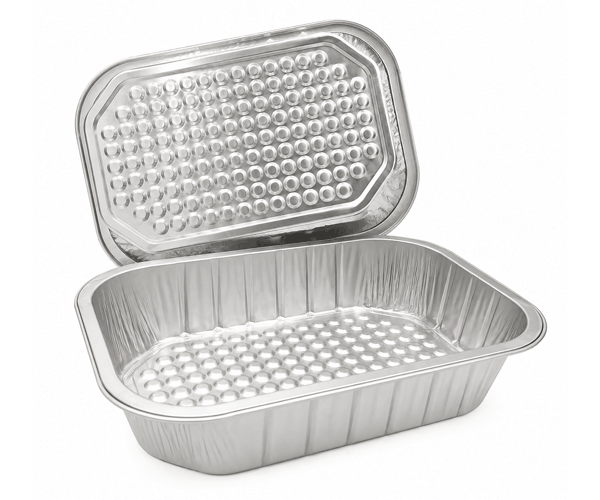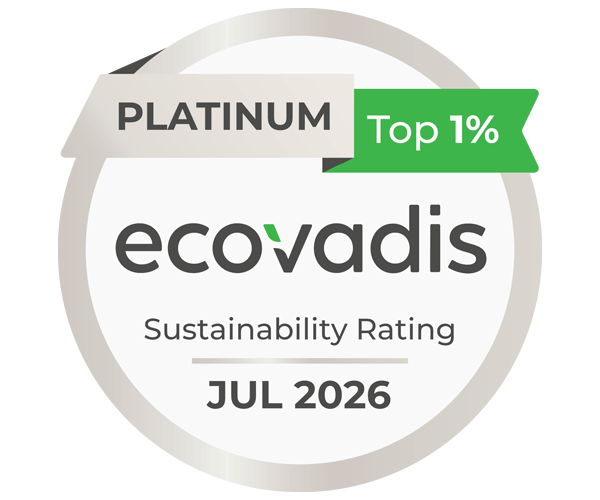
i2r North America achieves EcoVadis Platinum Medal for sustainability performance
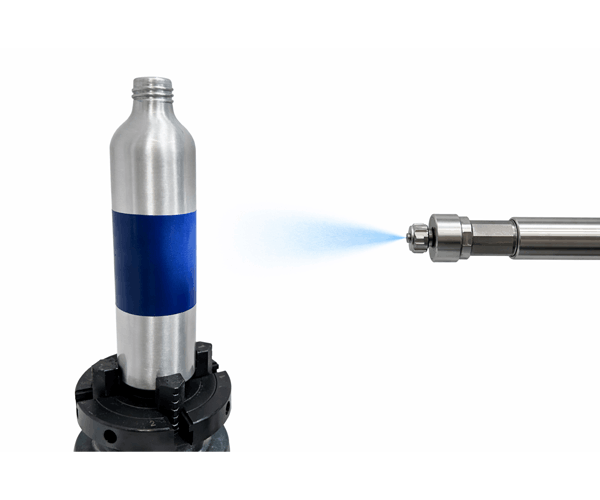
Aluminum packaging manufacturer ranks among top 1% of companies assessed

The latest developments in packaging design, materials, labelling requirements and technologies supporting product protection, compliance, sustainability and branding.




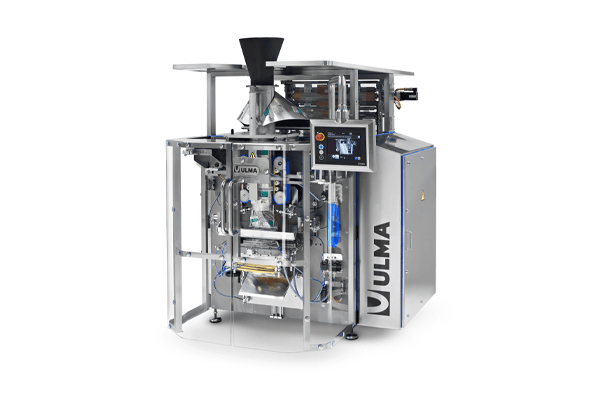
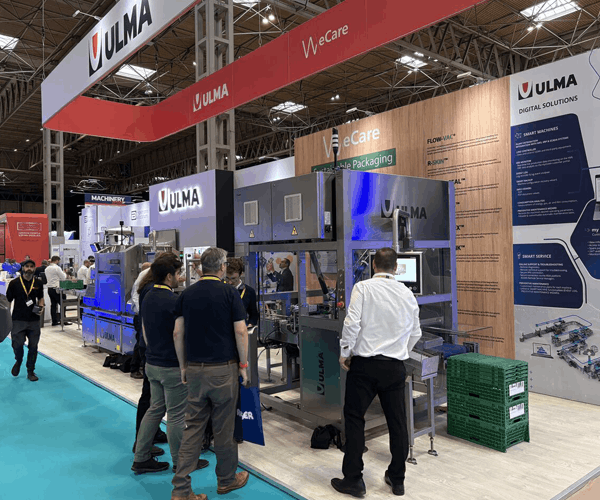
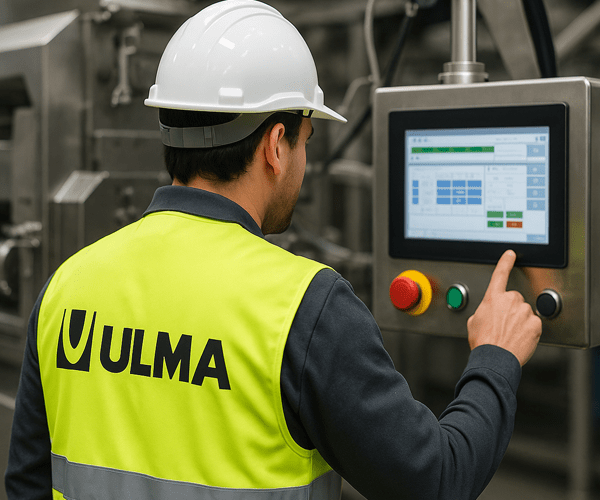
Leading packaging machinery manufacturer, ULMA Packaging UK, will exhibit at the British Leafy Salads Association (BLSA) Open Day 2026, showcasing packaging technologies designed to support efficiency, product protection and automation across the fresh produce sector. The event is being held on 1 July at Chadwell Park Farm, Great Chatwell, Newport, Shropshire.
The latest developments in food innovation, water management, metal detection, allergen control, packaging, sustainability and smarter manufacturing solutions.