Joanne
4/13/2026 8:50:35 AM
4 mins read

Water sits at the heart of every food and beverage production process. It supports everything from ingredient preparation and product processing to cleaning, cooling, and sanitation. Yet once it leaves the production line, it becomes a complex wastewater stream that must be carefully managed before it can be discharged or reused.
Food and beverage wastewater often contains fats, oils and grease, suspended solids, nutrients, and organic material. These components can place strain on treatment systems, particularly when production volumes fluctuate or when new product lines change the effluent profile.
For producers, the challenge goes beyond treating wastewater. It is about maintaining reliable operations, meeting strict environmental standards, and adapting quickly when conditions change. Production peaks, maintenance work, or equipment failures can all place sudden pressure on water and wastewater systems.
Flexible solutions help address these demands by working alongside existing infrastructure. They allow facilities to maintain production while managing temporary treatment challenges, whether that means handling increased loads, supporting upgrades, or ensuring continuity during maintenance.
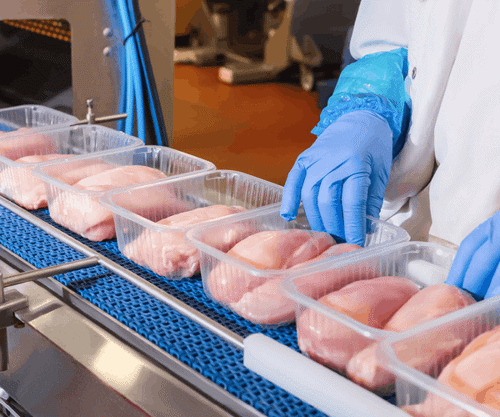
Access to the right equipment at the right time is critical. Rapid deployment of pumps, treatment units, and supporting systems can prevent operational disruption and ensure compliance is maintained.
Equally important is the expertise behind the equipment. Each deployment must be carefully assessed and configured to suit site conditions, ensuring reliable performance from installation onwards.
By combining permanent infrastructure with flexible service solutions, food and beverage producers can maintain operational stability and respond effectively to changing demands.
From everyday operations to urgent interventions, flexible water management supports both production continuity and environmental responsibility.