Editor's note: new advertising rules are now affecting a wider range of products than many manufacturers expected. Here is what is confirmed, what is still under consultation, and what to check on your own product range.
Restrictions on advertising less healthy food and drink came into legal force in the UK on 5 January 2026. They bring a 9pm television watershed and a continuous ban on paid online advertising for products that fall into specific categories and score above a threshold on the government's nutrient profiling model. A brand exemption protects general brand advertising, but only where no identifiable less healthy product appears in the creative. A government consultation on widening the rules closed on 17 June 2026, and the outcome could pull more everyday products into scope before the end of the year.
Below is a full breakdown of where things stand, who is in scope, and what food and drink manufacturers should check before their next campaign goes live.
What the HFSS advertising rules actually ban
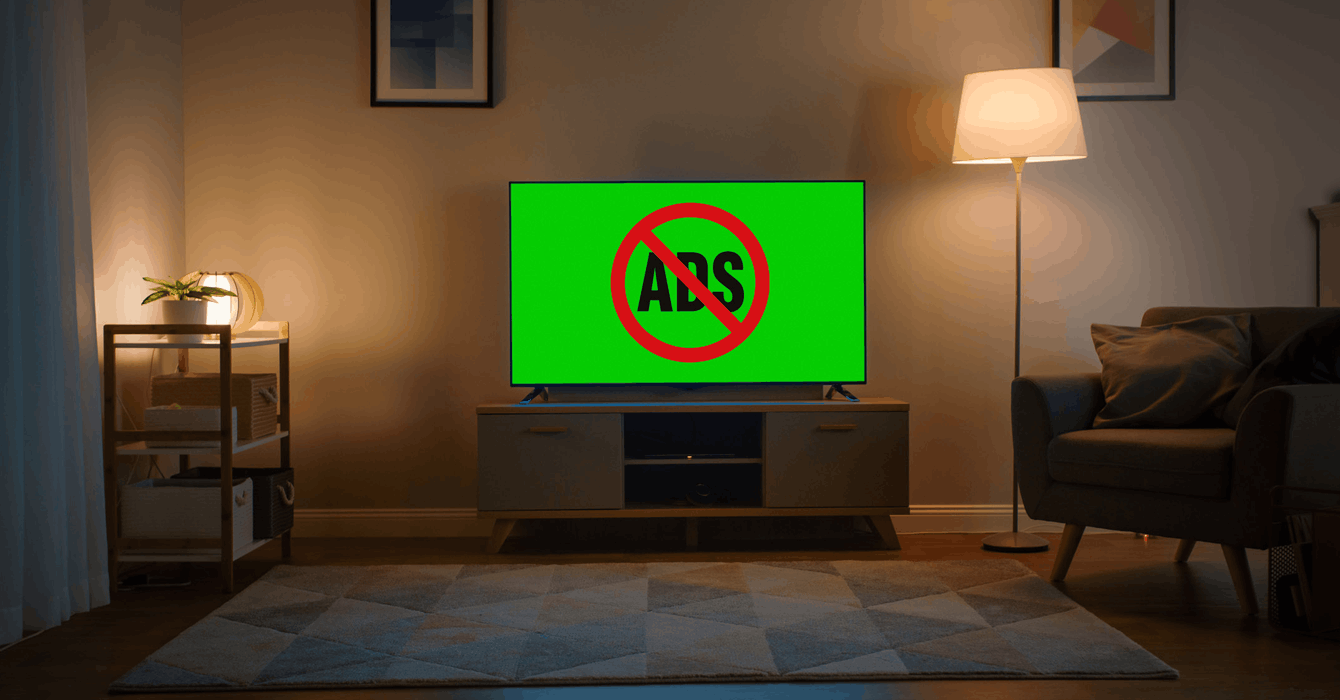
The restrictions cover two things. There is a 9pm watershed for television and on demand advertising of identifiable less healthy food, often referred to as LHF, and a continuous ban on paid online advertising of the same products to any UK audience at any time of day.
Whether a product qualifies as LHF depends on a two stage test. First, it must fall within one of the specific product categories named in the regulations, covering items such as soft drinks, confectionery and savoury snacks among others. Second, it must score 4 or more points for food, or 1 or more points for drink, under the nutrient profiling model the Food Standards Agency developed in 2004 and 2005. A product that scores below that threshold is not subject to the restrictions, regardless of which category it sits in.
Why the rules were delayed from October 2025 to January 2026
The original start date was October 2025. It moved to January 2026 specifically to resolve one question: whether a business could still advertise its brand in general terms without that automatically being treated as advertising a specific less healthy product.
The brand exemption is now in force, but it is defined narrowly. An advert must not include any element through which a reasonable consumer could identify it as being for a specific less healthy product. The guidance covers names, text, imagery, logos, audio, jingles and brand characters, alone or in combination. A campaign can talk about a brand in general terms, but cannot show or clearly imply a specific HFSS product without losing the exemption entirely.
How enforcement is working in practice
The Advertising Standards Authority has already taken action under the new rules. It upheld complaints against two supermarkets over paid online advertisements that included identifiable less healthy products, including one case where a single product visible in a social media post was enough to constitute a breach. The ASA's test is whether a reasonably well informed, observant and ordinary consumer could identify the advert as being for a specific less healthy product.
The definition of paid for activity under these rules is wide. It covers paying an influencer to post content, gifting a product or experience where that gift results in content being posted online, and retail media arrangements that give a product enhanced prominence on a retailer's website. Genuinely organic content, posted on a brand's own channels without payment or gifting behind it, sits outside the restrictions.
Who is exempt from the HFSS advertising rules
Several categories sit outside the restrictions entirely.
Businesses with fewer than 250 employees are exempt from the new LHF advertising rules, though they remain subject to the existing CAP and BCAP rules on HFSS marketing to under sixteens.
The out of home sector, covering restaurants, takeaways and anywhere food is prepared for immediate consumption, is exempt even where prepacked HFSS items are sold on the same premises.
Business to business advertising is exempt, which is relevant for trade marketing campaigns aimed at retail buyers, distributors or other businesses rather than consumers.
Audio-only content such as podcasts and broadcast radio is exempt, as is online transactional content, meaning the parts of a website where a consumer is actively completing a purchase.
Owned media, a brand's own website and social channels where it has full editorial control, is exempt. Products can still be discussed and factual information such as allergen content can still be shared.
Digital out of home advertising, such as screens at bus stops or in shopping centres, is not currently treated as online advertising for these purposes.
The consultation that could widen the rules
On 26 March 2026, the government opened a consultation on applying the 2018 version of the nutrient profiling model to the advertising restrictions, replacing the 2004 and 2005 model currently in use. That consultation closed on 17 June 2026. A twelve month implementation period was proposed if the change is adopted.
If it goes ahead, the practical effect would be to bring products higher in free sugars into scope, including some yoghurts and cereal bars that currently sit outside the rules. Manufacturers with products in that grey area should flag this to compliance and marketing teams now rather than wait for a final decision. Twelve months sounds generous, but reformulation, repackaging and campaign planning all take longer in practice than they appear on paper.
A checklist before your next campaign
Run every product due to feature in upcoming paid campaigns through the current nutrient profiling model scoring. Do not assume nothing has changed since your last review.
If a campaign relies on the brand exemption, confirm that no specific in scope product is identifiable in the creative, including in social posts, influencer content and short form video.
Confirm whether your business, and each route to market, falls within the 250 employee threshold and the sector exemptions above.
Treat gifting and influencer arrangements as paid for activity for these purposes, even where no cash changes hands.
Monitor the outcome of the nutrient profiling model 2018 consultation. If it proceeds, begin a gap analysis of which products in your range could newly fall into scope.
Do not rely solely on legal sign off from a year ago. The brand exemption and ASA enforcement approach have both developed significantly since the legislation was first drafted.
Frequently asked questions
Does the HFSS advertising ban apply to small businesses? No. Businesses with fewer than 250 employees are exempt from the new restrictions, though they must still comply with the existing CAP and BCAP rules on HFSS marketing aimed at under sixteens.
Can a brand still advertise generally without breaching the rules? Yes, provided the advert does not include any element through which a reasonable consumer could identify it as being for a specific less healthy product. A single identifiable product in a social media post has already been enough to trigger an ASA finding against two supermarkets.
Does paying an influencer count as advertising under these rules? Yes. Payment counts as paid for activity, and so does gifting a product, service or experience where the gift leads to content being posted online.
Is business to business marketing affected? No. Advertising and promotions aimed at other businesses rather than consumers are exempt.
Could more products come into scope later in 2026? Possibly. A government consultation on applying a newer nutrient profiling model closed on 17 June 2026. If adopted, products higher in free sugars, including some yoghurts and cereal bars, could be brought into scope with a proposed twelve month implementation window.
REFERENCES
GOV.UK, restricting advertising of less healthy food or drink on TV and online, products in scope.
House of Commons Library, advertising of HFSS food and drink to children, research briefing, updated June 2026.
Wiggin LLP, what are the new less healthy HFSS advertising restrictions.
IAB UK, less healthy food and drink ad ban, what it is and how it works.
Taylor Wessing, HFSS promotion, placement and advertising, March 2026 update.
Bird and Bird, MediaWrites, navigating the new HFSS advertising restrictions, May 2026.
Advertising Standards Authority, advertising of less healthy food and drink products, advertising guidance.
Disclaimer: This article is for general information only and does not constitute legal, regulatory or compliance advice. Food and Drink Network UK is not a legal adviser. Rules, exemptions and enforcement guidance may change. Businesses should verify current requirements directly with GOV.UK, the Advertising Standards Authority, or a qualified compliance specialist before making decisions based on this content.