But new food trends bring new safety considerations. As travellers become more adventurous and consumers increasingly concerned with how food is produced and served, understanding how to experience global flavours safely is important for the traveller.
The current landscape of food tourism
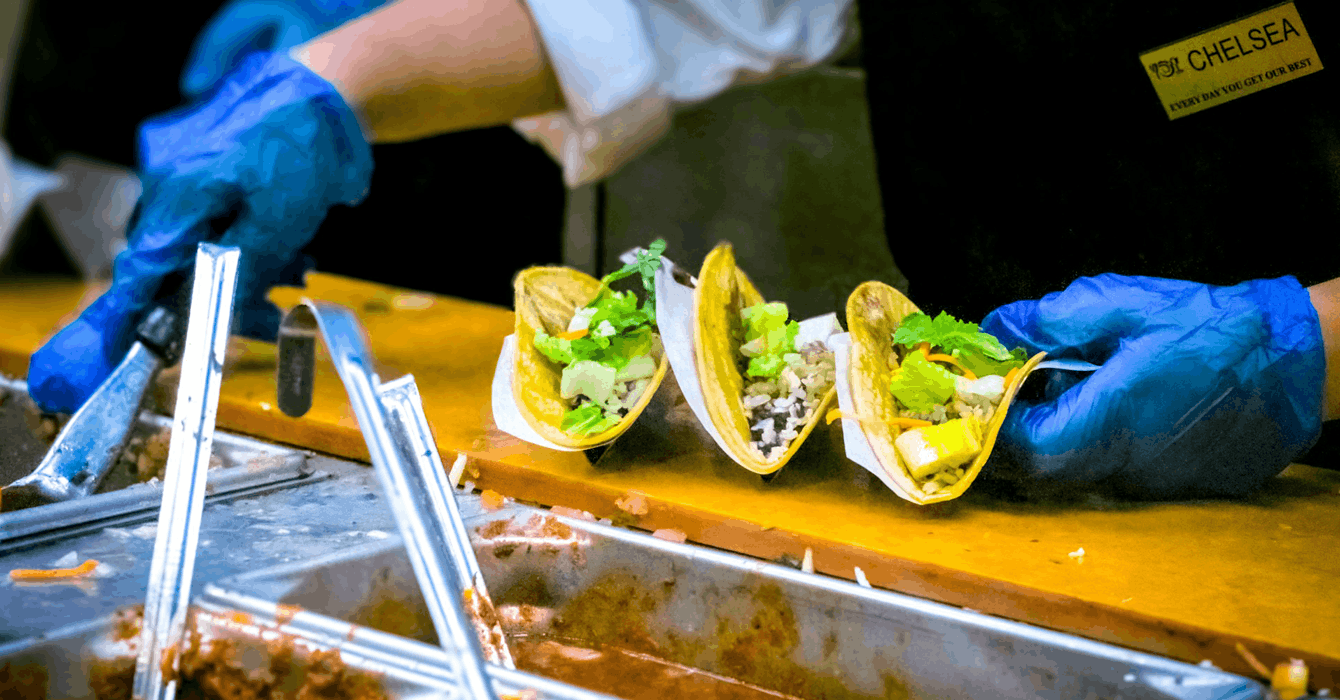
Many travellers look for experiences built around street food, pop-ups, markets, innovative tasting menus and dishes they've seen on social media. For hospitality businesses, this presents a great opportunity, but it also places greater emphasis on the importance of food safety practices. Fashionable foods may attract attention, but keeping customer confidence depends on getting the basics right, including health and safety.
A single poor experience can quickly reach a wide audience through social media and online reviews. Conversely, a visible commitment to hygiene, responsible sourcing and good food-handling practices can strengthen consumer trust.
Questions around food sourcing, allergens, sustainability and preparation methods are all becoming increasingly important to travellers, and businesses that communicate clearly about these areas can help travellers make more informed choices.
Why food safety matters
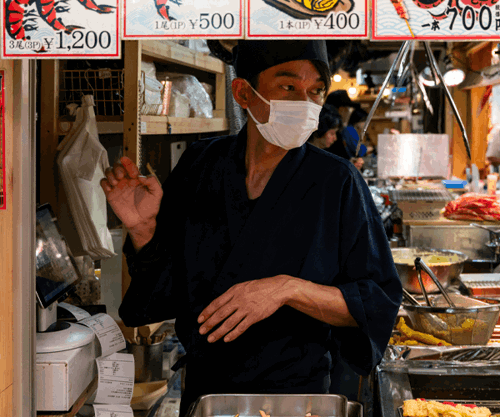
Food safety standards vary between countries, and practices that are familiar at home may not always be followed elsewhere. Differences in refrigeration, water quality, food handling and hygiene can affect the safety of what you eat and drink.
This doesn't mean that travellers should avoid eating local food – in fact, some of the best dining experiences come from trying traditional dishes and visiting popular local eateries. The key is knowing how to make sensible choices while remaining open to new experiences.
What should food-focused travellers look for?
Food storage, preparation and cooking methods will vary between countries. Generally, travellers should consider:
Cleanliness: Are preparation and dining areas visibly clean and well maintained?
Temperature control: Pay attention to whether chilled and hot foods look to be stored and served appropriately. Whether or not a dish is served at the correct temperature can be a good indication of how this is handled behind the scenes.
Food handling: Notice whether staff follow basic hygiene practices.
Reputation: Recent reviews can provide insight into other customers' experiences – although they shouldn't replace official food safety information.
Trying unusual foods is part of the fun of culinary tourism, but it’s important to remember that certain foods can carry additional risks, like raw seafood, unfamiliar meats and unpasteurised products.
Travellers with allergies or dietary restrictions would be best to learn the local words for ingredients they need to avoid and communicating these clearly with restaurant staff. Carrying a translated allergy card can be useful to avoid miscommunication.
Practical tips for safe food travels
Foodie travellers shouldn’t have to sacrifice culinary adventures for the sake of their safety. Before travelling:
Research the destination's food and water recommendations.
Check whether any vaccinations or health precautions are advised.
Carry hand sanitiser for situations where soap and water are unavailable.
Wash your hands before eating whenever possible.
Choose thoroughly cooked food.
Be particularly careful with food that needs refrigeration.
If something looks, smells or tastes unusual, don't eat it.