Protein has dominated food trends for years, but fibre is beginning to receive the same kind of attention. Social media has given the trend a suitably dramatic name — “fibremaxxing” — but the useful idea underneath it is much simpler: many people in the UK do not eat enough fibre, and small changes to ordinary meals can close the gap.
The important word is small. Fibre is essential to a healthy diet, but suddenly doubling your intake because a video told you to add bran, chia seeds, beans and a supplement to the same breakfast is not necessarily a good idea.
For most adults in the UK, the target is 30g of fibre a day. NHS guidance says many adults are still eating only around 20g. The practical goal is therefore not to “max out” fibre. It is to move towards the recommended amount using a variety of foods and to do it gradually enough for your digestive system to adjust.
What is fibremaxxing?
Fibremaxxing is an informal social-media term rather than a medical or nutritional definition. It generally describes deliberately increasing the amount of fibre in meals, often by combining wholegrains, pulses, fruit, vegetables, nuts and seeds.
That can be helpful if it encourages people to look beyond protein and calories and think about food quality. It becomes less useful when the idea turns into a competition to consume as much fibre as possible.
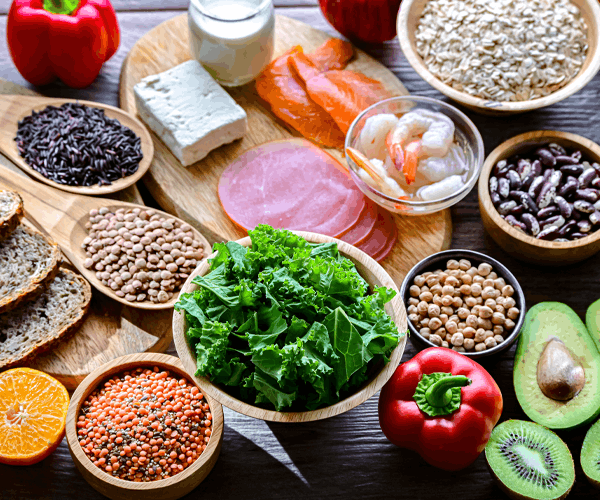
Dietary fibre is found in plant foods. Different types behave differently in the digestive system, which is one reason official guidance recommends getting fibre from a variety of sources rather than relying on one ingredient or supplement.
Why 30g a day matters
UK government guidance recommends that adults consume around 30g of fibre each day as part of a healthy, balanced diet.
Eating enough fibre is associated with a lower risk of heart disease, stroke, type 2 diabetes and bowel cancer. It also supports digestion and can help prevent constipation.
The target is not a magic threshold where 29g is bad and 30g is perfect. It is a practical population recommendation. What matters is the overall pattern of eating: wholegrains instead of heavily refined grains where practical, vegetables with meals, fruit, pulses, nuts and seeds.
The easiest way to reach 30g is to spread it across the day
Trying to find one “superfood” containing 30g of fibre misses the point. A far easier approach is to build several moderate sources into breakfast, lunch, dinner and snacks.
NHS examples show how quickly this can add up. Two slices of wholemeal toast with peanut butter and an orange can provide around 8g of fibre. A lunch based on wholemeal pasta with a lentil and tomato sauce can provide roughly 11g. A dinner containing a skin-on baked potato, carrots and green beans can provide around another 11g.
The exact amount depends on the product and portion size, but that example demonstrates something important: a normal day of food can reach the target without fibre powders, specialist bars or unusually large portions of seeds.
Start with breakfast
Breakfast is one of the easiest meals to improve because refined cereals and white toast can be swapped without changing the whole structure of the meal.
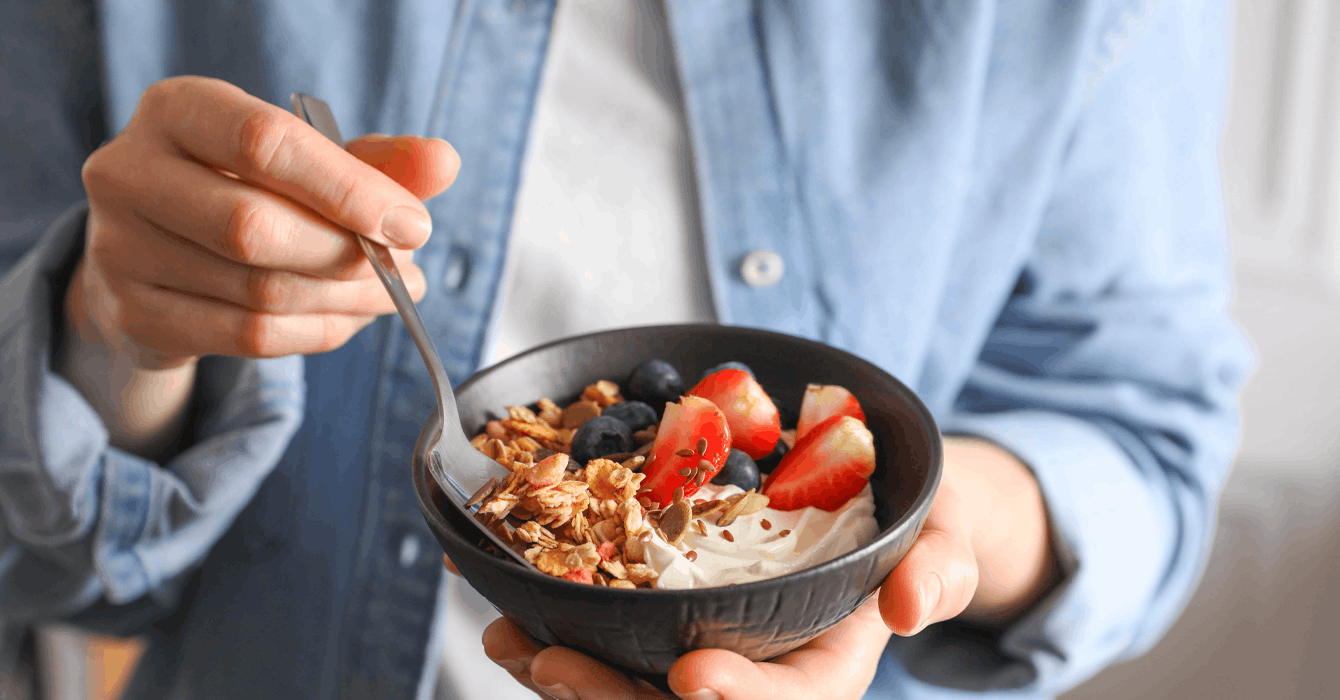
Porridge oats, wholewheat biscuits, shredded wholegrain cereals and wholemeal toast all contribute fibre. Add fruit and the total rises again. Berries, pears, apples and oranges can work well, while a spoonful of nuts or seeds adds texture as well as fibre.
The label can help. In the UK, a food can be described as high in fibre when it contains at least 6g of fibre per 100g. A product containing at least 3g per 100g can be described as a source of fibre.
That does not automatically make the product healthy — sugar, salt, fat and portion size still matter — but it provides a useful comparison when choosing between similar breads or cereals.
Make lunch do more of the work
Lunch often becomes a low-fibre meal when it is built around white bread, refined wraps, crisps or a protein product with very little plant food.
A wholemeal sandwich is an easy improvement. So is adding salad, beans or hummus. Soup based on lentils, beans or vegetables can be particularly effective because it combines several fibre sources in one meal.
Pulses deserve more attention here. Beans, chickpeas and lentils provide both fibre and protein, which makes them commercially interesting as well as nutritionally useful. They can stretch meat-based dishes, reduce cost per portion and add texture to salads, curries, soups and pasta sauces.
UK shoppers have also been buying more beans and lentils as food prices remain a concern, reinforcing the fact that fibre-rich eating does not have to mean premium health-food products.
Keep the skin on when it makes sense
A potato with its skin contains more fibre than the same potato peeled. The same principle applies to many fruits and vegetables where the skin is edible.
That does not mean every peel should be eaten regardless of the recipe. It simply means that peeling is not always necessary. A baked potato, boiled new potatoes with their skins on, an unpeeled apple or pear and roasted vegetables can all contribute more fibre with almost no additional cost.
Use beans and lentils without making every meal about beans and lentils
Pulses are excellent fibre sources, but a sudden jump from eating almost none to eating them several times a day can cause bloating and wind in some people.
A more sensible approach is to start by adding a small amount to foods you already eat. Mix lentils into a bolognese, add chickpeas to a salad, stir beans into soup or use hummus as part of lunch.
Over time, the portion can increase as your digestive system adapts.
Fruit counts, but variety is better than relying on juice
Whole fruit contributes fibre; fruit juice contributes much less because much of the fibre is removed during processing.
Fresh, frozen and tinned fruit can all fit into a healthy diet. When buying tinned fruit, versions in natural juice or water can be preferable to products packed in syrup.
Dried fruit is concentrated and can add fibre, but NHS guidance recommends eating it as part of a meal rather than grazing on it between meals because its sticky sugars can increase the risk of tooth decay.
Nuts and seeds are useful, not magical
Chia seeds, flaxseed, almonds and other nuts and seeds frequently appear in fibremaxxing videos because they can add a meaningful amount of fibre to a relatively small serving.
They are useful ingredients, but they are not a requirement. Someone who dislikes chia pudding can still reach 30g through ordinary wholegrains, vegetables, fruit and pulses.
Nuts and seeds are also energy dense, so more is not always better. A small handful or spoonful can add fibre and texture without turning every meal into a nutrition project.
Do not increase fibre too quickly
This is the most important part of the trend that social media often misses.
The British Dietetic Association advises increasing fibre gradually to reduce the chance of gastrointestinal symptoms such as bloating and gas. NHS guidance gives the same general message: a sudden increase can cause discomfort while the gut adjusts.
If your current intake is relatively low, add one or two changes at a time. Swap bread this week. Add a portion of pulses to a few meals next week. Increase vegetables at dinner. Give your body time to adapt instead of changing everything overnight.
Drink enough fluid
Fibre and fluid work together. Fibre absorbs water, so increasing fibre while drinking very little can make digestion more uncomfortable rather than less.
Water is the obvious choice, but fluid intake can also come from other drinks and foods. The exact amount a person needs varies with body size, activity, climate and health, so there is no need to force an arbitrary quantity simply because it appeared in an online challenge.
The practical point is to avoid sharply increasing fibre while ignoring hydration.
More fibre is not always the answer to every digestive problem
Bloating, constipation, diarrhoea and abdominal discomfort have many possible causes. Some people with conditions such as irritable bowel syndrome find that particular types of fibre make symptoms worse, while other types can help.
If increasing fibre repeatedly causes significant pain, persistent bloating, changes in bowel habit or other concerning symptoms, it is sensible to seek advice from a healthcare professional or registered dietitian rather than continuing to increase the amount.
A high-fibre label does not guarantee a better product
Food manufacturers have responded quickly to demand for fibre, protein and other functional claims. A snack bar may contain added fibre but still be high in calories, sugar or saturated fat. A cereal may be high in fibre but heavily sweetened.
The best comparison is still the whole nutrition label and ingredients list.
Naturally fibre-rich foods such as oats, beans, vegetables, fruit, nuts and wholegrains have the advantage of bringing other nutrients with them. Fortified products can still be useful, particularly for convenience, but the fibre number should not be viewed in isolation.
A realistic 30g-a-day pattern
You do not need to count every gram permanently. A useful starting pattern might look like this: a wholegrain breakfast with fruit, a lunch containing wholemeal bread or grains plus vegetables or pulses, a dinner built around vegetables and a wholegrain or skin-on potato, and one snack based on fruit, nuts or oatcakes.
That type of structure naturally distributes fibre across the day and is usually easier to maintain than relying on one extremely high-fibre meal.
Fibremaxxing is useful when it stops being a competition
The strongest part of the fibremaxxing trend is that it has made an overlooked nutrient more interesting. The weakest part is the implication that more is always better.
For most UK adults, the evidence-based target is around 30g a day from a variety of foods. Reaching it gradually is more useful than chasing the biggest number possible. Wholegrains, pulses, fruit, vegetables, nuts and seeds can get you there without making every meal look like a social-media experiment.
This article provides general nutrition information and is not individual medical or dietary advice. People with digestive conditions or persistent symptoms should seek appropriate professional advice before making major dietary changes.
REFERENCES
1. NHS, How to get more fibre into your diet: https://www.nhs.uk/live-well/eat-well/digestive-health/how-to-get-more-fibre-into-your-diet/
2. NHS, Good foods to help your digestion: https://www.nhs.uk/live-well/eat-well/digestive-health/good-foods-to-help-your-digestion/
3. NHS inform, Fibre: https://www.nhsinform.scot/healthy-living/food-and-nutrition/eating-well/fibre/
4. British Dietetic Association, Fibre: https://www.bda.uk.com/resource/fibre.html
5. GOV.UK, Healthy eating: applying All Our Health: https://www.gov.uk/government/publications/healthy-eating-applying-all-our-health/healthy-eating-applying-all-our-health