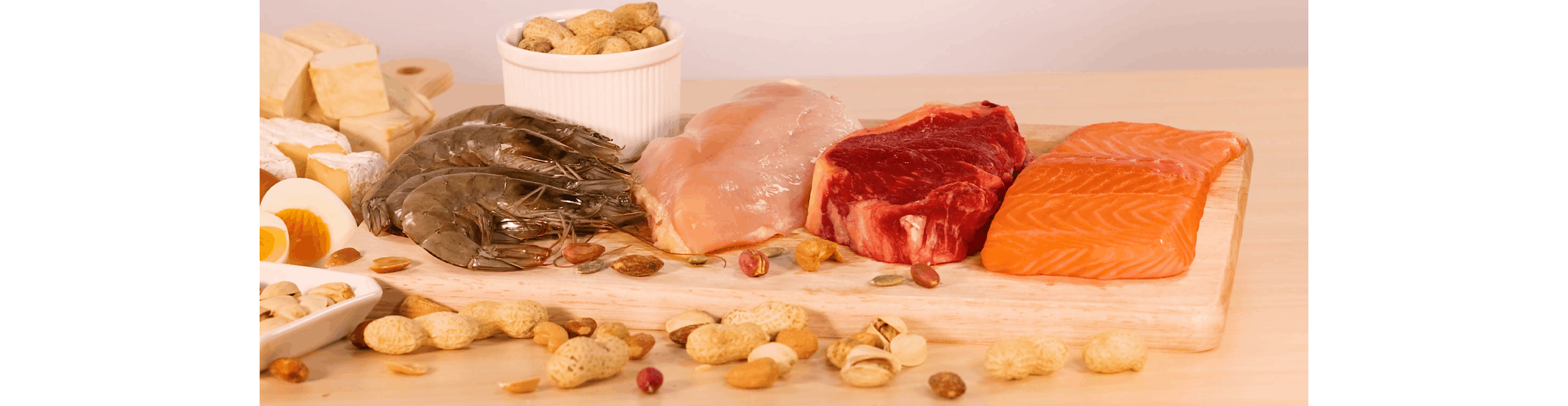
Protein has become one of the loudest claims in the supermarket. It appears on yoghurts, cereals, bars, drinks, ready meals and even products that were already natural sources of protein before the word was printed across the front of the pack.
For shoppers trying to eat well on a budget, that can create the impression that protein is something you need to buy in a specialist format. In reality, many of the cheapest sources are ordinary foods that have been in British kitchens for decades.
The UK Reference Nutrient Intake for protein is 0.75g per kilogram of body weight per day for adults. That works out at roughly 45g a day for a 60kg adult and around 56g for a 75kg adult. Individual needs can differ with age, activity and health, but the British Nutrition Foundation notes that average UK adults already consume more protein than the basic recommendation.
That changes the question. Instead of asking “How can I get as much protein as possible?”, a more useful question for most people is “Which foods give me useful protein, good overall nutrition and sensible value?”
Here are 20 affordable foods worth considering.
1. Dried lentils
Few foods compete with dried lentils for value. They provide protein and fibre, store for months and can be used in soups, dhal, curries, stews and pasta sauces.
Red lentils cook quickly and break down into sauces, while green and brown lentils hold their shape better. They can replace part of the meat in dishes such as bolognese or chilli, reducing cost per portion without making the meal feel sparse.
2. Tinned lentils
Dried lentils are cheaper, but tinned versions win on convenience. They are already cooked, which means they can be drained and stirred straight into a salad, soup or sauce.
The best-value option depends on whether time, energy use and food waste matter more to you than the lowest possible ingredient cost.
3. Chickpeas
Chickpeas offer both protein and fibre and work in hot and cold meals. A tin can become hummus, a curry, a salad ingredient or a roasted snack.
They are particularly useful for stretching chicken or lamb dishes because they absorb flavour well and add bulk without feeling like a filler.
4. Kidney beans
Kidney beans are inexpensive, widely available and easy to keep in the cupboard. They work well in chilli, rice dishes, soups and salads.
Tinned beans are already cooked and simply need draining and heating according to the recipe. Dried kidney beans require correct soaking and thorough boiling because raw or undercooked kidney beans contain naturally occurring toxins.
5. Baked beans
Baked beans are often dismissed as basic convenience food, but they provide useful protein and fibre at a relatively low cost.
Check the nutrition label because sugar and salt vary between brands. Reduced-salt or reduced-sugar versions can be useful where they suit your taste and budget.
6. Eggs
Eggs are versatile, portionable and quick to cook. They can turn toast, rice, noodles, potatoes or vegetables into a more substantial meal without requiring a separate meat portion.
Boiled eggs also work well for packed lunches because the quantity is easy to control and there is little preparation waste.
7. Milk
Milk contributes protein as well as calcium and other nutrients. If you already use it in cereal, porridge, sauces or drinks, it is an easy way to add protein without buying a separate product.
The right type depends on age, dietary needs and preference. For most adults, lower-fat varieties can fit within a balanced diet, while children have different nutritional requirements.
8. Plain yoghurt
A large tub of plain yoghurt can offer better value than buying several single-serving “high-protein” pots.
Natural yoghurt can be used for breakfast, snacks, sauces, marinades and dips. Greek-style and strained yoghurts generally contain more protein than standard yoghurt, but compare the label and price rather than assuming the most aggressively marketed product offers the best value.
9. Cottage cheese
Cottage cheese has returned to popularity because it combines relatively high protein with flexibility. It can be eaten on toast, added to baked potatoes, blended into sauces or served with fruit.
Larger tubs often cost less per 100g than small snack pots, so check the unit price if you are likely to use the whole pack.
10. Cheddar and other hard cheeses
Cheese is a concentrated source of protein, but it is also relatively high in saturated fat and salt, so portion size matters.
That does not make it a bad choice. A modest amount of strong-flavoured cheese can add protein and flavour to beans, potatoes, pasta or vegetables without needing a large serving.
11. Tinned tuna
Tinned tuna is convenient, shelf-stable and protein-rich. It can be mixed with sweetcorn, beans, pasta, rice or salad to make a quick lunch.
Prices vary considerably between branded and own-label products. Compare drained weight as well as pack price, because a larger tin is not automatically better value if much of the weight is liquid.
12. Tinned sardines
Sardines are one of the more economical oily fish options and provide protein as well as long-chain omega-3 fats.
They work on toast, in pasta, with rice or in salads. Because the flavour is stronger than tuna, a smaller amount can still make a meal feel substantial.
13. Frozen white fish
Frozen fish can offer better value than fresh fillets because it keeps longer and allows you to cook only what you need.
Plain frozen fillets are usually more versatile than heavily coated products and make it easier to control added salt and fat. Compare price per kilogram and check whether the product is fish fillet or a formed product.
14. Chicken thighs
Chicken breast is popular in high-protein diets, but thighs are often cheaper and can be more forgiving to cook.
Skinless, boneless thighs are convenient, while bone-in versions may cost less but include weight that is not eaten. The cheapest pack price is therefore not always the cheapest edible portion.
15. Turkey mince
Turkey mince can be an economical alternative in chilli, meatballs, burgers and pasta sauces. It is mild in flavour and works well with spices and vegetables.
As with other mince, compare the fat percentage and pack size. A cheaper product that releases a large amount of fat or water during cooking may not represent the best final value.
16. Tofu
Tofu provides plant protein and is often cheaper than meat when used effectively.
Firm tofu works well in stir-fries, curries and traybakes. Pressing or drying the surface before cooking improves browning, while marinades and sauces help because tofu absorbs surrounding flavours.
17. Frozen edamame
Edamame beans are convenient because they cook quickly and can be added directly to noodle bowls, rice dishes and salads.
They are usually more expensive than dried lentils or ordinary beans, but frozen packs reduce waste and can still offer good value when used as one component rather than the entire protein portion.
18. Frozen peas
Peas are not normally marketed as a protein food, yet they contribute useful plant protein alongside fibre, vitamins and minerals.
Their real advantage is price and convenience. A handful can be added to pasta, rice, curry, soup or mashed potato straight from the freezer, making a meal more substantial with almost no preparation.
19. Peanut butter
Peanut butter contains protein, but it is also energy dense because of its fat content. A sensible serving can work well on wholemeal toast, in porridge or in sauces.
Choose according to ingredients, taste and price. Products made mostly from peanuts can be a simple option, but there is no need to pay a premium simply because the label uses fitness language.
20. Oats
Oats are not a substitute for a main protein source, but they contribute more protein than many people realise while also providing fibre.
Porridge made with milk or fortified soya drink, topped with nuts or seeds, can build several modest protein sources into one inexpensive breakfast. This is often more economical than buying a branded high-protein breakfast pot every morning.
How to compare protein value properly
A front-of-pack protein number can be useful, but it does not tell you whether the food is good value.
Start with the price per 100g or per kilogram. Then check the nutrition panel for protein per 100g and think about the portion you will realistically eat. A product providing 20g of protein is not a bargain if it costs three times as much as an ordinary food that provides 15g in a normal meal.
Waste matters too. Dried lentils have almost no spoilage risk. A large tub of yoghurt may be excellent value if a household finishes it, but poor value if half is thrown away.
Do you need high-protein branded foods?
For most healthy adults, probably not. The British Nutrition Foundation says most people in the UK already consume more protein than the basic recommendation.
Specialist products can still be convenient. A ready-to-drink shake may suit someone who struggles to eat after training, and a high-protein yoghurt can be an easy snack. But convenience is what you are paying for. The product is not automatically nutritionally superior simply because “protein” is printed in large letters on the pack.
Protein is only one part of the meal
Building every meal around the highest possible protein number can crowd out vegetables, wholegrains and other foods that provide fibre, vitamins and minerals.
The NHS Eatwell Guide recommends a varied diet that includes beans, pulses, fish, eggs, meat and other protein foods, while also emphasising fruit and vegetables and higher-fibre starchy carbohydrates.
Pulses are particularly useful because they sit across several priorities at once: they are generally inexpensive, provide protein and fibre, store well and can reduce the amount of meat needed in a recipe.
Cheap protein can also be commercially interesting
The rise of high-protein products has encouraged manufacturers to add protein claims to categories that once competed mainly on taste or convenience. At the same time, UK shoppers are showing renewed interest in beans and lentils as they look for cheaper ways to eat well.
For food brands, that creates two different opportunities. One is premium convenience — products offering a clear protein number in an easy format. The other is value-led nutrition — familiar foods that deliver protein, fibre and affordability without a specialist price tag.
For consumers, the second route is often the cheaper one.
The best protein budget starts in the cupboard
You do not need 20 different protein products in the kitchen. A few dependable staples can cover most meals: eggs, yoghurt, tinned fish, lentils, beans, tofu, frozen peas and one or two meat or fish options according to preference.
The most cost-effective high-protein diet is usually the one built around foods you already know how to cook, can buy without wasting, and will actually eat.
This article provides general nutrition information and is not individual dietary or medical advice. Protein needs can vary with age, activity, pregnancy and health conditions. Seek appropriate professional advice where individual requirements are uncertain.
REFERENCES
1. British Nutrition Foundation, Protein: https://www.nutrition.org.uk/nutritional-information/protein/
2. British Nutrition Foundation, Sport and exercise: https://www.nutrition.org.uk/creating-a-healthy-diet/sport-and-exercise/
3. NHS, The Eatwell Guide: https://www.nhs.uk/live-well/eat-well/food-guidelines-and-food-labels/the-eatwell-guide/
4. GOV.UK, Healthy eating: applying All Our Health: https://www.gov.uk/government/publications/healthy-eating-applying-all-our-health/healthy-eating-applying-all-our-health
5. Scientific Advisory Committee on Nutrition, dietary reference values context: https://www.gov.uk/government/publications/sacn-statement-on-expressing-fat-and-carbohydrate-recommendations/sacn-statement-on-expressing-energy-fat-and-carbohydrate-intakes-and-recommendations